Welcome back to the Octaking Labs blog. If you’re a tone chaser, you already know that some sounds are absolute legends. They are the unicorns of the guitar world, tones so iconic, so visceral, that people spend lifetimes (and life savings) trying to replicate them.
At the top of that mythical mountain sits “Greeny”: the legendary 1959 Gibson Les Paul once wielded by Peter Green, passed down to the great Gary Moore, and now residing with Kirk Hammett. Its signature sound? That unmistakable, biting, hollow, out-of-phase middle position.
For years, getting that exact tone out of a standard guitar felt impossible. Until 2023. Until a completely accidental, crazy twist of fate changed everything for us here at Octaking Labs.
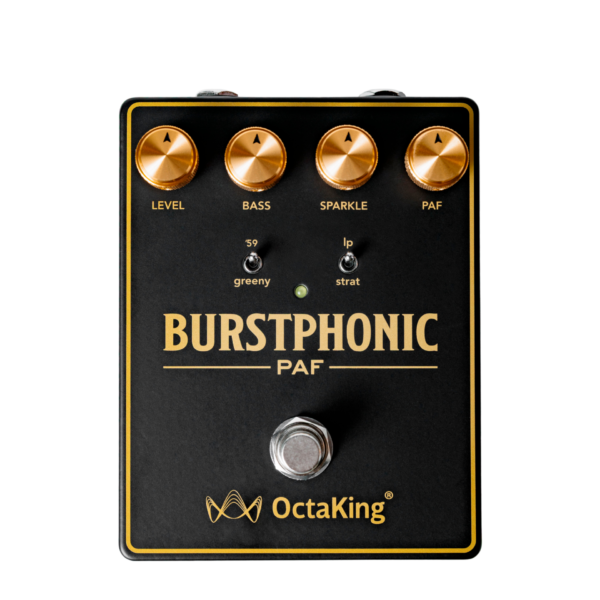
Here is the true story of how the Burstphonic pedal was born, and how we managed to capture lightning in a box with our exclusive GREENY Mode.
Step 1: Beers, Barcelona, and a Late-Night Jam (2023)`
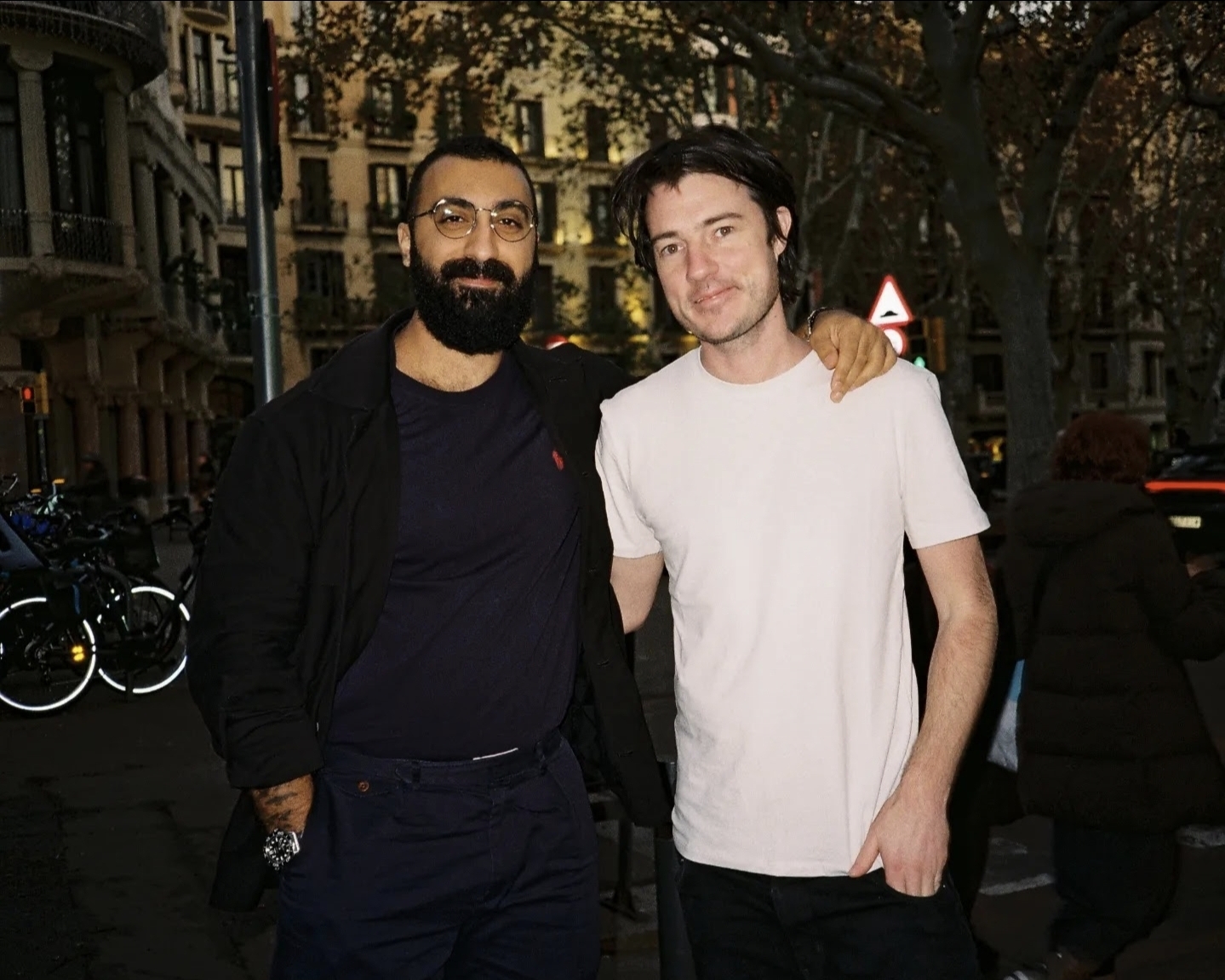
The real story of Burstphonic didn’t start in a sterile lab or a boardroom. It started in Barcelona.
I met Jack Moore—yes, the son of the undeniably great Gary Moore—and what was supposed to be a quick, passing meet-up turned into walking around the city center, sinking a few beers, and just talking. We swapped stories, realized we had an incredible amount in common, and eventually ended up back at my apartment.
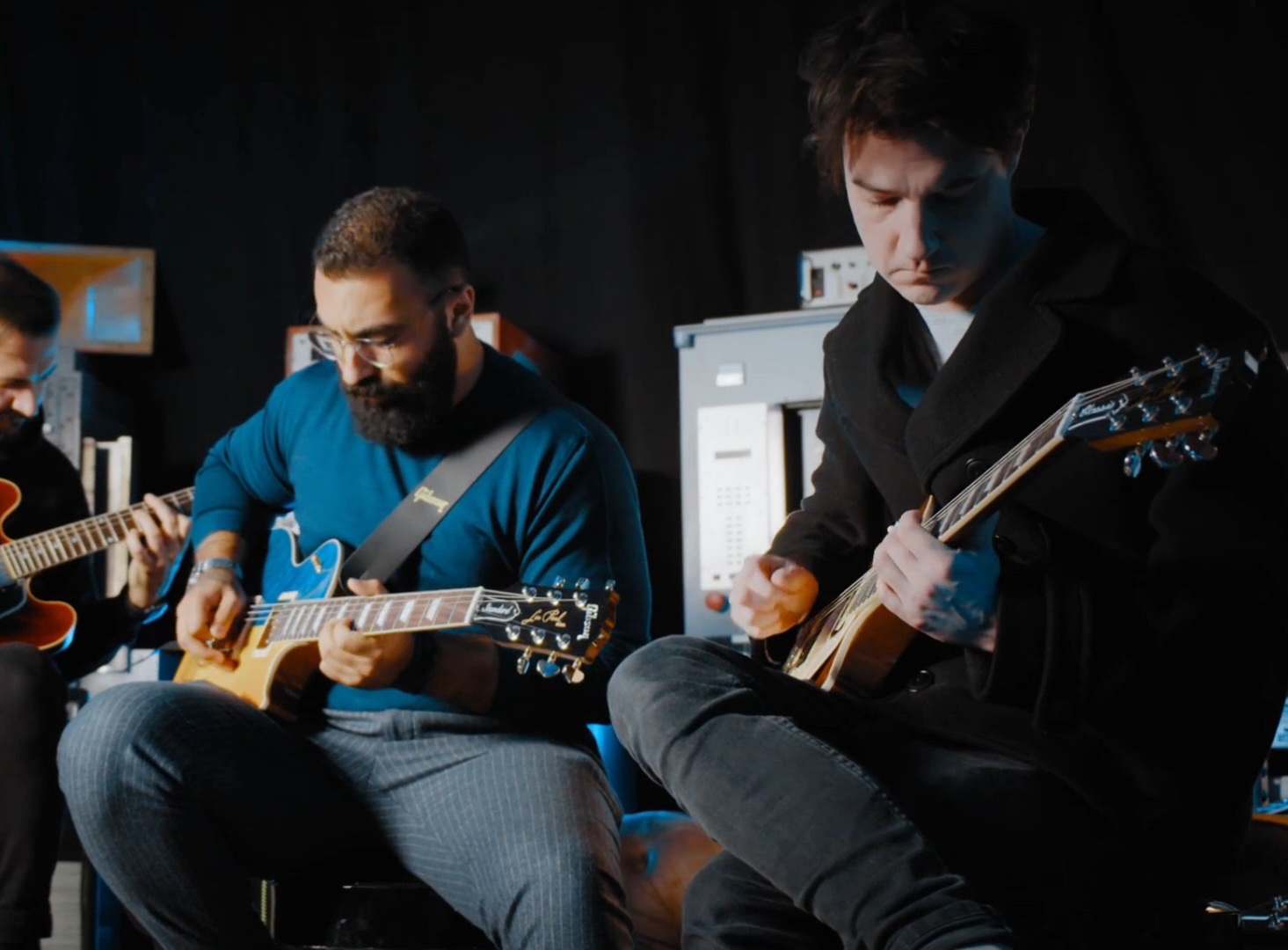
We didn’t look at schematics or debate pedal parts that night. We just plugged in our guitars, poured some rum, and jammed for hours. That session set the tone for everything that followed. We became fast friends, hanging out often as 2023 rolled on. It wasn’t about business; it was just two guys connecting over a shared love of music and tone.
Step 2: “Anthem of Victory” and a New Vision (Late 2023 – 2024)
As we spent more time together, our friendship naturally bled into our creative lives. We actually worked together on a track called “Anthem of Victory,” and sharing that studio workflow really solidified our connection. By late 2023 and into 2024, the conversation started shifting from just playing music together to building a project together.
We both shared a deep obsession with capturing the ultimate ’59 Burst tone. We wanted to create a device that didn’t just emulate the sound, but actually breathed it. We called the project Burstphonic.
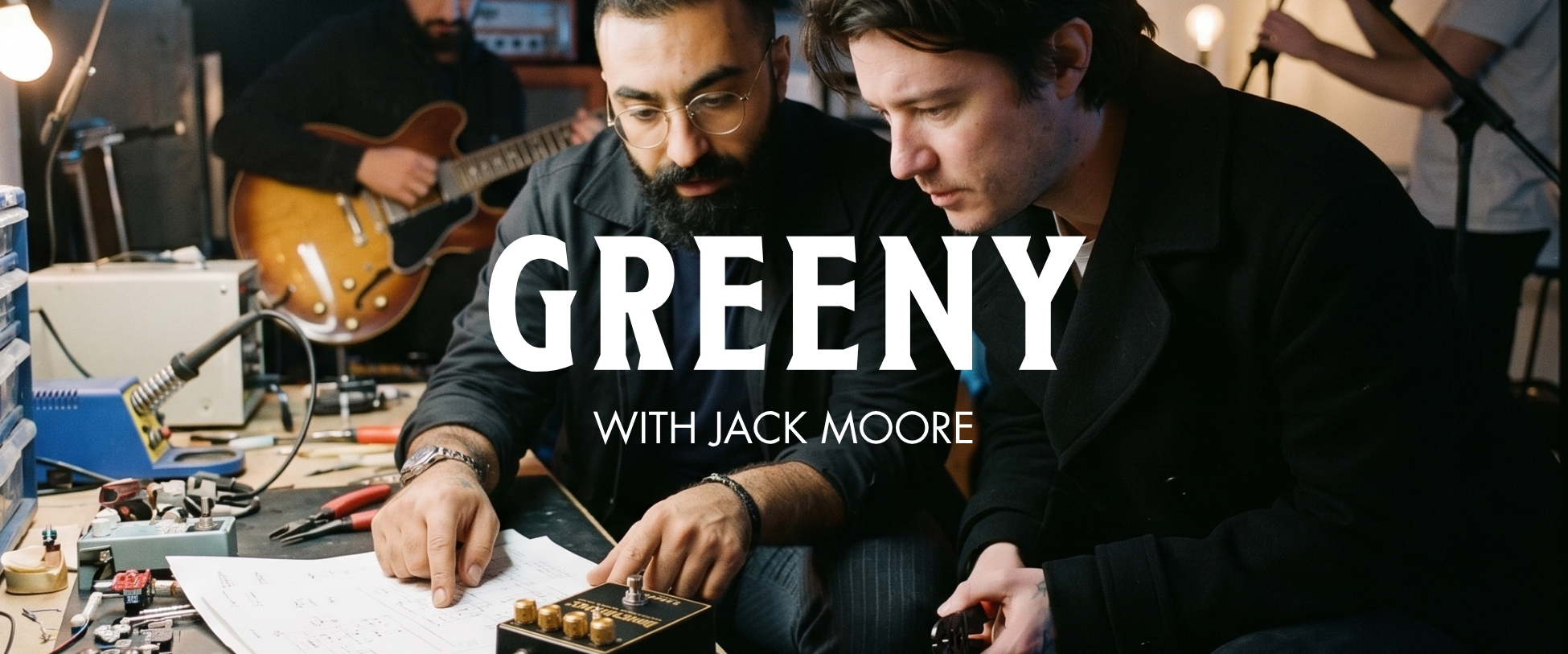
We had the architecture, but we were stuck on one crucial element: capturing the elusive, hollow, out-of-phase “Greeny” sound. We tried standard tricks, reverse-wiring pickups, and messing with standard EQ matching, but it always sounded like a digital copy. It lacked the haunting, vocal-like resonance of the original.
That’s when Jack smiled, leaned back, and dropped a bombshell.
“What if we didn’t guess?” he said. “What if we used the actual DI tracks?”
Step 3: Hunting for the Sonic DNA
We didn’t just have one clean studio track handed to us on a silver platter. The reality was much more of a treasure hunt. To truly map the Greeny tone, we had to dig deep. We sourced several raw DI tracks from live shows where the guitar was recorded directly, along with some incredibly rare studio recordings actually played on Greeny.
By cross-referencing the naked, live direct inputs with the studio cuts, we were able to isolate and match the exact frequencies that give that out-of-phase middle position its unmistakable voice. It wasn’t just listening; it was audio forensics. We were staring at the raw DNA of rock history.
Step 4: Writing the Code
Having the audio DNA was one thing, but translating that complex phase-cancellation and dynamic response into the Burstphonic pedal required absolute engineering brilliance. That’s where our lead engineer, Alex, stepped in.
We didn’t rely on off-the-shelf plugins or standard impulse responses. Alex took the raw data from those live and studio tracks and began writing entirely custom algorithms from the ground up. He meticulously coded the micro-cancellations in the midrange, the precise impedance curves, and the magnetic drag of those flipped-magnet PAFs. It was a painstaking process of feeding the exact frequencies into Alex’s custom architecture until the math finally matched the magic.
Step 5: The GREENY Mode is Born
After months of tweaking, testing, and A/B-ing against Jack’s lifetime of sonic memories, we finally cracked it. We loaded Alex’s final algorithm into the Burstphonic prototype.
Jack plugged in a standard, off-the-shelf Les Paul, stomped on the Burstphonic, and flicked the toggle to GREENY Mode. He hit a slow, bending note on the G-string.
The room froze. It was there. The crying, hollow, searing vocal tone that defined so much of rock history was pouring out of our speakers. It wasn’t an imitation; it was a resurrection. We had authenticated the exact Greeny out-of-phase sound and trapped it inside a stompbox.
“When we first plugged into the Burstphonic prototype and flicked it to GREENY mode, the hair on the back of my neck stood up. It wasn’t just a clever trick or a close approximation—it was the exact hollow, crying resonance I grew up hearing. Using those raw DI tracks to map the true phase cancellation was absolute madness, but it worked. We actually managed to catch lightning in a box.”
Jack Moore
The Legacy Continues
The Burstphonic isn’t just a pedal; it’s a piece of history, brought to life through a crazy twist of fate, an incredible friendship with Jack Moore, and some of the most obsessive audio engineering we’ve ever undertaken.
The GREENY Mode is our love letter to the holy grail of guitar tones. And now, it’s yours to play.
Check out the Burstphonic exclusively here at www.octakiglabs.com, and plug into the legend.
Keep chasing the tone, The Octakig Labs Team